


Choosing the right locking file cabinet
Consumers can shop for locking file cabinets once they understand the wisdom of using these devices. In order to choose the right locking file cabinet, consumers must decide which characteristics of locking file cabinets best suit their needs. Locking cabinets have different features, forms, and dimensions, and they are made from different materials. In order for customers to determine what they are looking for in file cabinets, they should be familiar with the different options that are available to them.
 Locking Features
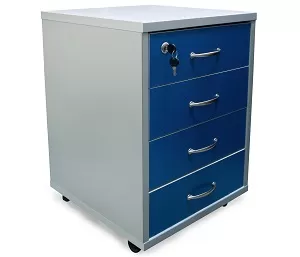
For those seeking security in a file cabinet, a locking mechanism is one of the most important features. Some filing cabinets have one master lock for all of the drawers, while others have a lock on each separate door. The former option is ideal for file cabinets in which all or most of the files contain sensitive information. The latter is preferable for storing a mix of documents with sensitive information and those without. Some consumers may want to have quick access to safe documents and being able to keep one drawer unlocked provides this option.
Form
The two main forms for locking file cabinets are vertical and lateral. One is not necessarily better than the other, but one may suit certain filing needs or fit available space better. Consumers must decide for themselves which is the better option for their offices or homes.
Vertical
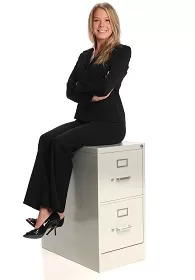
Vertical locking file cabinets feature numerous cabinets stacked on top of another. In most cases, each cabinet is relatively narrow and short, but deep. The drawers pull out away from the wall against which the vertical cabinets are places, with file folders opening towards the person standing in front of the cabinets. The main advantage of locking vertical file cabinets is that they take up little floor space. They can also provide organizational benefits in that users can separate files by each drawer in the vertical arrangement.
Lateral
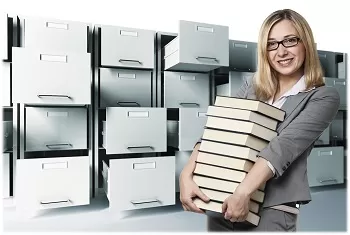
Lateral locking file cabinets are not as deep as vertical ones are, but they are wider. They can be high and hold a large volume of files, but most lateral locking file cabinets are lower to the floor than vertical ones are. The drawers are long and file folders are perpendicular to users when they open the drawers. Because lateral locking file cabinets are not deep and the drawers therefore do not pull out too far, they are good solutions for areas with limited walking space. It is also possible to place numerous objects on top of this form of file cabinet because it has a good deal of surface area.
Dimensions
Locking file cabinets come in a variety of dimensions, no matter whether they are vertical or lateral cabinets. In deciding which dimensions are best for their needs, consumers must balance their filing requirements with the space that they have available. After choosing between vertical or lateral file cabinets, consumers can then find the right dimensions for a cabinet within their chosen category.
Additional Features
Additional features can enhance the safety, mobility, and security of locking file cabinets. Consumers may find it to be worthwhile to seek cabinets that have one or more of the following features.
 Safety
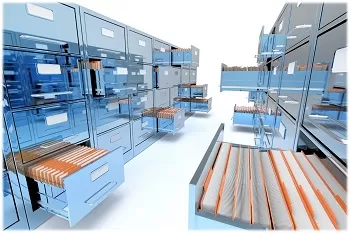
File cabinets can be quite heavy when they are full of files, and it can become dangerous to use them. Those that plan to store a great deal of files in a cabinet should make sure that the cabinet drawers have ball-bearing suspension to ensure that they open smoothly and with little effort. Pulling hard on a stuck drawer can tip the entire cabinet over. Interlocked drawers also ensure that only one drawer opens at a time.
Mobility
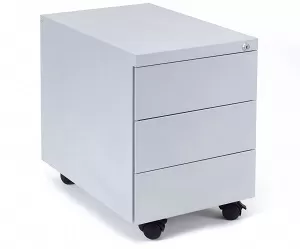
Some file cabinets feature legs with wheels on the bottom. Users can slide these file cabinets along floors with little effort, even when the cabinets are full. This feature also offers users flexibility as to how they would like to arrange space for placing the file cabinet. Larger locking file cabinets are less likely to feature wheels, so those with large-scale filing needs may not have this option available.